Digital Skills Every High School Student Should Learn
Whether a student is headed to a four-year university, a trade program, or straight into the workforce, one thing holds true across every path: digital skills matter more than they used to. Employers, college programs, and apprenticeships increasingly expect a baseline of digital fluency that goes well beyond knowing how to use a smartphone. The good news is that most of these skills are approachable, and high school is the perfect time to start building them.
Here's a breakdown of the digital skills worth prioritizing.
Core Software Proficiency
Before anything more advanced, students benefit from being genuinely comfortable with the everyday tools used in nearly every office job, classroom, and application process:
- Word processing and spreadsheets. Being able to format a document properly or build a basic spreadsheet formula is a practical skill that shows up constantly, from college coursework to entry-level jobs.
- Presentation software. Creating a clean, well-organized presentation is a skill that pays off in job interviews, college projects, and workplace meetings alike.
- Email etiquette. Knowing how to write a professional email — clear subject line, appropriate tone, correct attachments — is something many students haven't practiced but will need immediately after graduation.
- Basic file management. Understanding how to organize, save, and share files (rather than losing track of them across devices) sounds simple but is a skill gap employers notice quickly.
Online Collaboration Tools
Remote and hybrid work is now common across nearly every industry, and the tools that support it have become standard expectations rather than nice-to-haves:
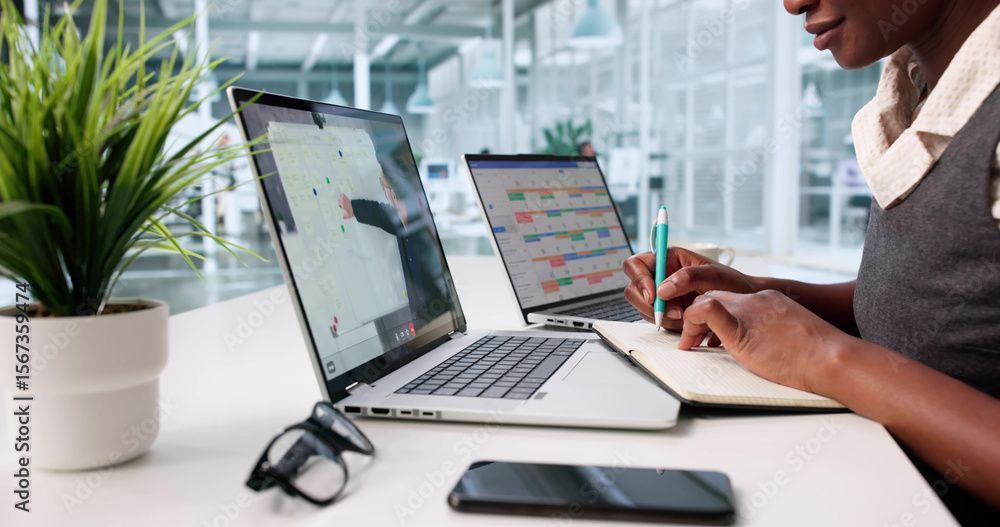
- Shared document platforms (like Google Workspace or Microsoft 365) for real-time collaboration on projects
- Video conferencing tools for virtual meetings, interviews, or classes — including how to present yourself professionally on camera
- Project management or task tools, which many students will first encounter in a college course or internship
- Cloud storage systems, so files are accessible and shareable without relying on a single device
Students who are already comfortable with these tools have a real head start when they hit their first internship, part-time job, or college group project.
A Basic Introduction to Coding
Not every student needs to become a programmer, but a foundational understanding of coding logic has value across a huge range of career paths — including many that don't look like traditional "tech" jobs:
- Basic coding concepts (sequences, loops, conditionals) build problem-solving skills that transfer to other subjects
- Even a beginner-level introduction to a language like Python or JavaScript can make a student more competitive for STEM-adjacent programs
- Understanding how websites and apps are built helps students become more critical, informed users of technology — not just consumers of it
- For students interested in trades, coding logic increasingly overlaps with fields like automation, manufacturing, and equipment diagnostics
Even a small amount of exposure here can help a student figure out whether a tech-related path is worth pursuing further.
Digital Communication and Professionalism
How a student shows up online has become part of how they're evaluated, whether they realize it or not. This includes:
- Understanding how to build a simple, professional online presence (a LinkedIn profile, a portfolio site, or even a well-organized email signature)
- Knowing the difference between casual social media use and professional digital communication
- Practicing clear, respectful written communication in digital spaces, since so much of school and work now happens over chat, email, or shared documents
Basic Data and Digital Literacy
As more of daily life runs through apps, platforms, and algorithms, students benefit from understanding not just how to use technology, but how to think critically about it:
- Recognizing reliable sources of information versus misinformation online
- Understanding basic data privacy and digital security practices, like strong passwords and recognizing phishing attempts
- Getting comfortable with basic data interpretation — reading a chart, understanding a spreadsheet, or making sense of a simple dataset
Why This Matters for What Comes Next
Digital skills aren't just about resumes — they're about giving students more options and more confidence as they figure out what's next for them, whether that's college, a trade program, or entering the workforce directly. The students who build this foundation in high school tend to walk into that next step with a real advantage.
At Project Next, our Future Centers help students in San Marcos, Escondido, and Oceanside build exactly these kinds of practical, real-world skills alongside personalized guidance on college, career, and workforce pathways. If you're a student, parent, or educator looking to get connected, reach out to learn more about our programs.